how (+ why) you should electrify your home
the guide I wish I had before making our home fossil fuel free

If you’ve been on social media or turned on the news in the last year, you’ve probably heard a lot about “Energy Independence.” Simply put, it’s “a country’s ability to meet its energy needs without relying on energy imports from other countries.” Now who wouldn’t want that!?
Unfortunately, the term is being INCREDIBLY misused (thanks to our oily administration) 🙃 They’re claiming that to achieve energy independence, we need to “drill baby drill” so we don’t import oil and gas from other countries. Mind you, oil is a finite resource that must be extracted from deep within the Earth, exploiting people in the process and polluting all life on earth as a result. LOVELY.
If you want to see how ass-backwards that is, just go outside and look up! The amount of solar energy hitting the earth in one hour is more than enough to power the world for one year! So it’s safe to say that TRUE energy independence means harnessing renewable resources, tapping into an infinite energy source, and owning our own power!
So what do we do about it?
Electrifying and decarbonizing our homes, offices, schools, and buildings is one of the most important actions we can take to drastically reduce emissions & pollution, secure our financial future, and distance ourselves from one of the most corrupt industries in history. The amount of money we can save by electrifying is INSANE. The International Renewable Energy Agency (IRENA) confirmed that 91% of new renewable capacity is cheaper than the cheapest new fossil fuel alternatives, and renewables have just overtaken coal as the world’s biggest source of electricity! TAKE THAT!
Here’s the bad news… (and y’all know I hate to be a doomer) in that Big Ugly Bill that Congress passed earlier this year, the Inflation Reduction Act was pretty much ripped to shreds. The IRA was a bipartisan bill that created billions of dollars in tax incentives for Americans to electrify their homes and supercharge our just and urgent transition away from fossil fuels. Many of the federal tax credits are set to expire by the end of this year (some already have).
So while we still have 83 days left in the year, I urge you to make the switch while these incentives are still alive! But remember - even if you miss the deadline, these are still essential, long-term investments in our clean energy future.
And in my opinion, the best way to teach is to lead by example, so here’s how I transformed my home to be fossil fuel-free! I’ll break things down step by step and plug TONS of resources for you. Let’s dive in, baby!

Step 1: Go to RewiringAmerica.com
Seriously, thank god for the folks behind RewiringAmerica.com. They offer tons of resources to homeowners, renters, and landlords. Best of all—they have an incredibly useful calculator where you enter your zip code, and it shows you every tax credit and rebate available to you: national, state-level, and even local.
**For those of you wondering, “Lauren, what’s a tax credit?” ZERO SHAME. This credit either reduces the taxes you pay each year or comes back as cash in your refund.
With this information, Rewiring America builds you a “Project Sheet” (yay for my fellow type-A brains!) of everything you can electrify and customize for your budget and home. Trust me, they make the entire process so simple and non-intimidating!
Step 2: Upgrade Your Electrical Panel
Think of the electrical panel the electrical “brain” of your home. Before you install any new electric appliance whether it’s a heat pump, EV charger, or an induction stove - you’re going to want to make sure your electrical panel can handle the load. Many older homes (like our 104-year-old house) required an upgrade to a 200-amp panel.
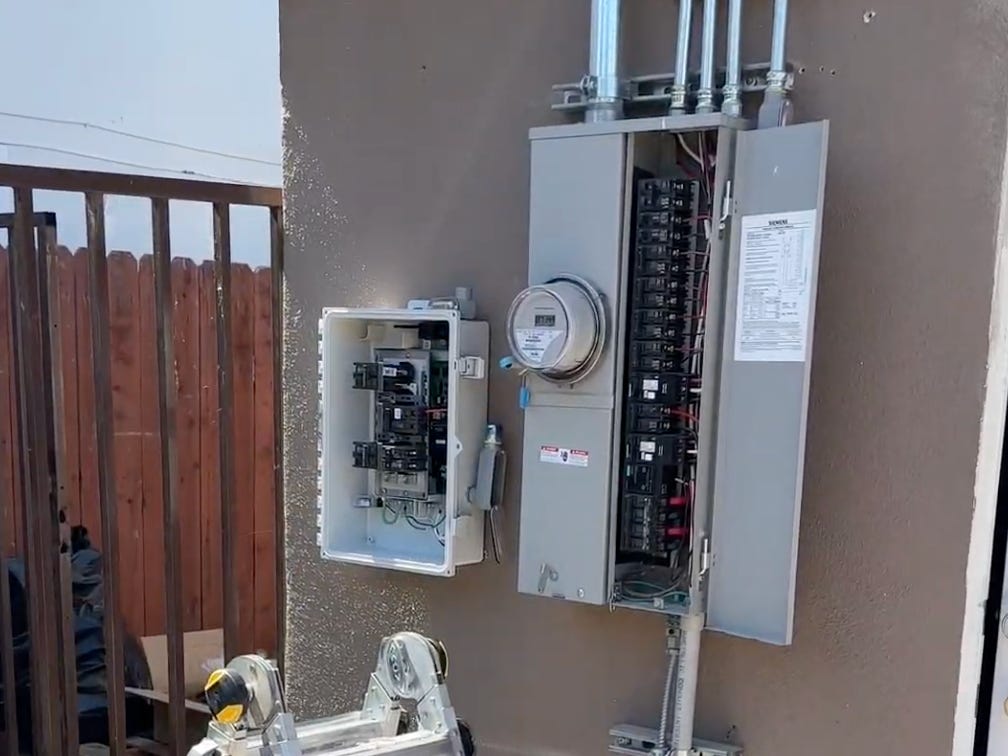
The Incentive: a 30% tax credit, up to a maximum of $600, for the cost of upgrading your electrical panel.
The Move: Find a great local electrician. We found a friend’s brother who did it quickly and affordably. If you’re in the Los Angeles area, we personally recommend Daniel from Soto Power and Electric
Step 3: Driving Electric
They say that the easiest way to electrify your life is through your car/driveway. Upgrading to an EV is a HUGE step in your breakup with oil and gas. Unfortunately, the rebates for EVs have expired, but this shouldn’t prevent you from getting an electric car! Of course there is the initial investment of purchasing an EV, but by swapping out unpredictable gas prices for electricity, you get a stable, cheaper source of power, without the emissions or pollution!


Brooks and I share the all-electric MINI Countryman, and we couldn’t love it more. We’ve taken so many amazing road trips in it and have never once felt restricted.
Our electrician installed a higher voltage charger that our new panel could handle, and we charge right at home for a fraction of the cost of gas.
Take Action: Join the movement and tell your governor to keep dirty diesel cars off the road and prioritize EVs by adding your name here.
Step 4: Going Solar
SUNSHINE!! This is one of the best decisions I’ve ever made, and if you’re reading this, I bet this section is largely why you’re here! Before I dive in, can I just say: it BLOWS MY MIND that greedy oil and gas executives and corrupt politicians have convinced so many people that solar isn’t effective. Going solar is literally a perfect example of energy independence. We now generate more power than we use in a day (especially in the long, sunny summer days), so we no longer depend on the utility company to power our home. Sounds pretty independent to me!


The Incentive: 30% of the total cost for solar panel installation - this could add up to about $9,000! This credit is currently set to expire on December 31, 2025.
The Move: We used EnergySage (think of it like KAYAK but for solar) to get multiple, comparable quotes from vetted local installers. This streamlined the process and ensured we got the best price. We went with Sunergy, a local installer who has been in the business for 40+ years!
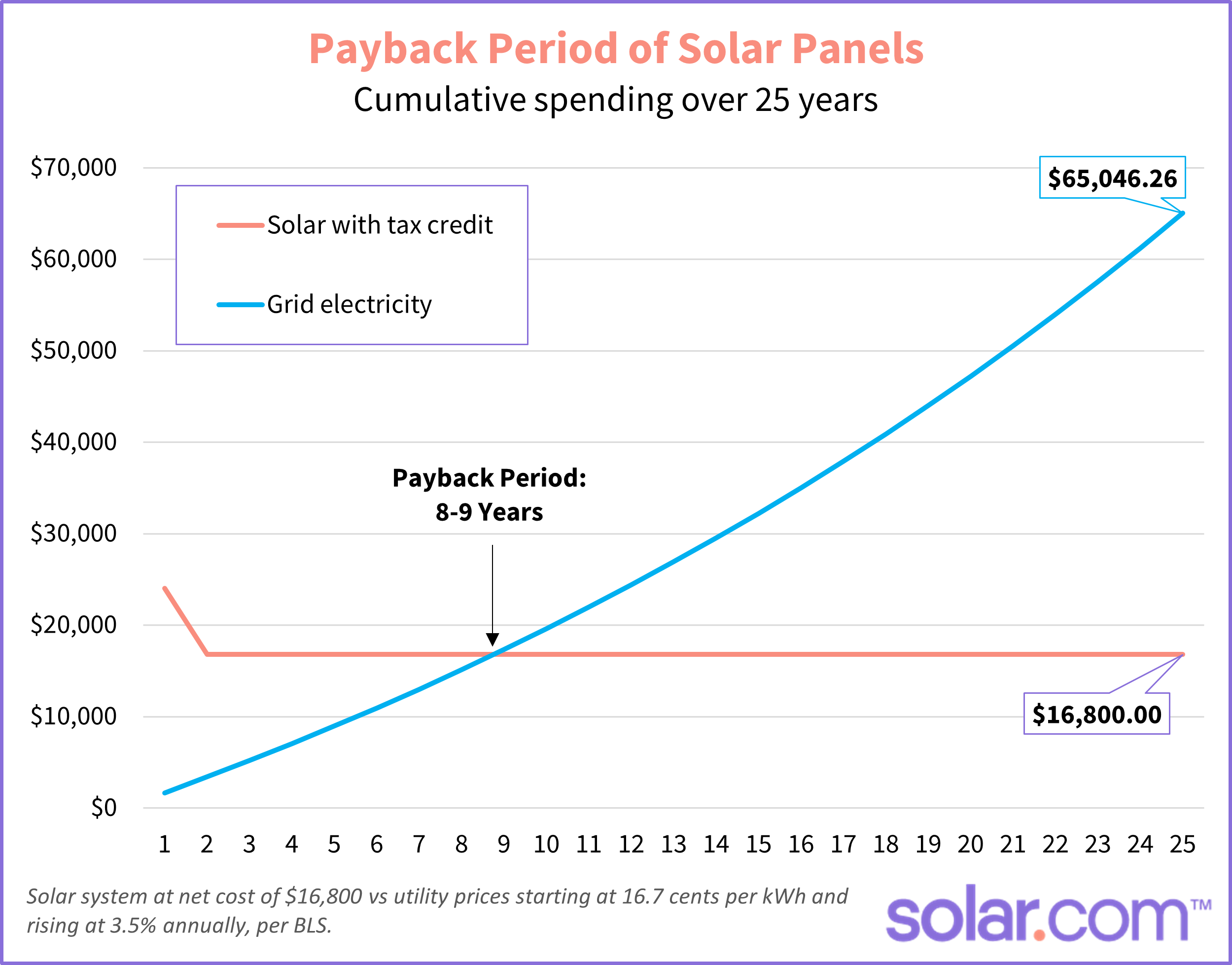
The Financials: Solar panels typically pay for themselves in seven to nine years, depending on your local electricity costs. After that, your power is virtually free. If you have “net metering” with your utility, you can sell your excess energy back to the grid, further reducing your bill and helping power your community.
But the most common question I get asked about solar is:
“What happens when the sun isn’t shining?”
If we do have to import energy at night, our utility, LADWP, already sources more than 55% of its power from renewable sources with a goal of a 100% carbon-free power grid by 2035. Other cities are already at 100% renewable electricity, like Burlington, VT, Aspen, CO, and Georgetown, TX (yes, Texas) showing that this is a reality.
Step 5: The Transition From Gas to Electric Appliances
Now, we were in a bit of a pickle because we had two severe gas leaks in the pipes under our house (it’s a miracle we didn’t blow the neighborhood up), and the plumber quoted us $15k to replace all the old pipes. YEAH NO THANKS. So we needed to move fast and replace all our gas appliances quickly so we could, you know, shower with warm water.
But! This was lowkey what we’d been looking forward to since becoming homeowners. We had so much anxiety about the fossil fuels in our house and not just their effects on the planet, but our health!
Gas stoves vent toxic pollutants like nitrogen dioxide, benzene, carbon monoxide, and fine particulate matter directly into our homes… uh, YUCK. The moment we swapped our gas stove, water heater, and furnace for induction and heat pumps was the moment we didn’t have to worry about poor indoor air quality in our home!


Induction Stove/Range:
By switching our gas stove to an induction stove, we have eliminated NO2 and benzene fumes in our kitchen. Plus, our induction stove offers precise, instant heat control, and is significantly more efficient than gas!
Federal Incentive: up to $840 for electric cooktops (state and local rebates may apply)
Heat Pump Water Heater:
My lovely lady (heat) pumps! They use electricity to move heat, not create it. Instead of our old gas water heater that honestly didn’t even work that great, we now have our heat pump which is up to 4x more efficient than gas or standard electric.
Federal Incentive: 30% tax credit, up to $2,000, set to expire Dec 31, 2032.
Heat Pump Mini Splits (Heating/Cooling):
Our house never had AC (another perk of buying a 100-year-old house), so we figured since we were making all the upgrades that we would buy three mini-splits, which are hyper-efficient because you only cool/heat the rooms you are using. By replacing a gas furnace and traditional AC, you dramatically lower energy use by allowing for zone-based climate control.
Federal Incentive: 30% tax credit, up to $2,000, set to expire Dec 31, 2032.
Electric Dryer:
Living in LA, we get almost 300 days of sunshine per year, which means most of the time we are doing laundry - we use a solar powered dryer (we hang our clothes in the sun), but this isn’t always the case, so we upgraded to our old washer and dryer to electric ones.
Unfortunately, there is no federal tax credits for this one, but make sure to check your local utility rebates! Our local utility gave us a $500 rebate just for having a water-saving electric washer!
Tips for Installation and Purchase:
Financing: We purchased our new appliances using the Home Depot credit card for a two-year, 0% interest promotion, giving us time to pay them off.
Secondhand: You can definitely try to find quality used or refurbished appliances on Facebook Marketplace, Craigslist, or at a Habitat for Humanity ReStore for even deeper discounts.
***Rebate Qualifications***: Not all electric or energy-efficient products qualify for incentives; make sure you check that the specific model meets the high-efficiency standards on the Energy Star Product Finder or the CEE Standard Appliance Finder.
Installation: Most of these appliances require a 200V input. You will want to find a great handyman to work in tandem with your electrician to get these installed properly.
Step 6: Miss (Energy) Independent!
Last, and certainly not least: We turned off the gas meter, making our home 100% fossil-fuel-free. There was no greater feeling of satisfaction than FINALLY saying goodbye to oil and gas in our home - it was the ultimate middle finger to Big Oil.
We use the Enphase app to track everything, and most days, we generate more power from our panels than we use, sending the surplus back to the grid to power our community. I take back what I said before, having your energy company owe you money is ACTUALLY the most satisfying feeling in the world.
The outcome for us has been absolutely phenomenal.
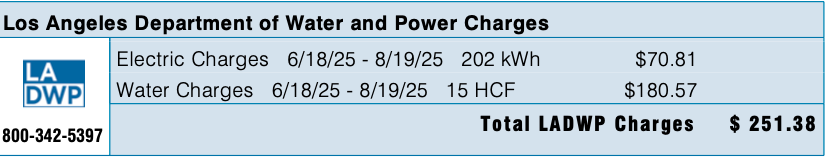
By going electric we’ve already saved money by eliminating our gas bill and dramatically reducing our electricity bill. We saved $740 on our last utility bill! Of course, I brought the receipts.

Whether you’re just getting curious about electrification, are currently mid-upgrade, or have been putting the entire journey off, my hope is that this guide has taught you something new, helped clarify your path, and inspired you to finally make the switch to a clean, all-electric home.
Before I go, let me say one last thing:
Honestly, writing the rebate expiration dates into this Substack was the worst. It’s heartbreaking to see our government yank away such landmark incentives that could have the power to change our future and protect all life on Earth.
So, I want to leave you with a few words of encouragement.